This year’s Best Trips list is relevant, surprising and inspiring, highlighting a globe-spanning mix of destinations from the Peruvian Amazon to Kansas City, Missouri.
“Our Best Trips issue features 28 destinations and experiences that can inspire us, change our perspectives and connect us with cultures, places and ideas that matter in the world,” says George Stone, National Geographic Traveler editor in chief. “The issue is packed with spectacular National Geographic photography and is driven by our mission to explore, conserve, respect and engage with our planet.”
National Geographic’s Best Trips destinations for 2019
NATURE
Peruvian Amazon
Montenegro
Belize
Gorongosa National Park, Mozambique
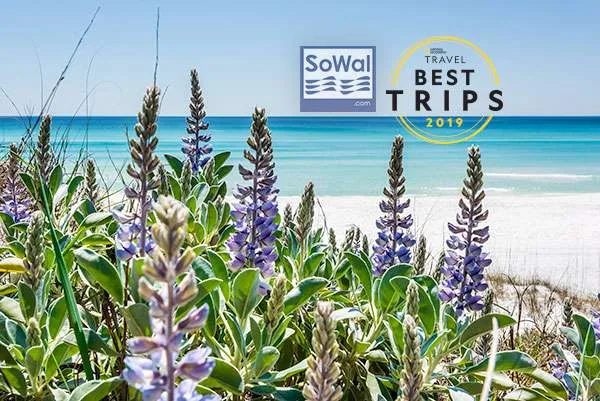
South Walton County, Florida
Fanjingshan, China
Tahiti, French Polynesia
CITIES
Dakar, Senegal
Salvador, Brazil
Kansas City, Missouri
Toronto, Canada
Matera, Italy
Perth, Australia
Mexico City, Mexico
CULTURE
Cairo, Egypt
Hoang Lien Son, Vietnam
Galway, Ireland
Bauhaus Trail, Germany
Oakland, California
Vervey, Switzerland
Dordogne, France
ADVENTURE
Greenland
Bisti/De-Na-Zin Wilderness, New Mexico
Isla de los Estados, Argentina
Macedonia
Canterbury Region, New Zealand
Caño Cristales River, Colombia
Oman
The December/January 2019 issue of Traveler magazine is now available on newsstands and online at NatGeoTravel.com/BestTrips2019.
The Best Trips digital experience includes highlights on each destination selected for the list as well as National Geographic’s iconic photography that transports audiences to the chosen locales. Visitors are able to dive even deeper into four of the Best Trips destinations—Mexico City, Tahiti, Dordogne and Oman—with feature stories in the issue.
National Geographic Traveler publishes six issues per year and is the world’s most widely read travel magazine, with 18 international editions. National Geographic Travel shares its inspiring and authoritative digital content, including trip inspiration, travel news, photo galleries and more with its @NatGeoTravel community of more than 50 million people.
With Florida’s coastal regions increasingly threatened by hurricanes and red tides, South Walton is taking a proactive approach to protecting its shores. This collection of 16 beach communities on northwest Florida’s Gulf Coast is building beach accessible artificial reef systems, creating habitat for a wide variety of marine life. Each of the four snorkel reefs are arranged in the shape of an indigenous marine animal: a cobia off Inlet Beach, a sea turtle off Grayton Beach, a seahorse off Topsail Hill Preserve State Park, and a dolphin off Miramar Beach. The newest dive site, opened in June at Grayton Beach State Park, is the nation’s first permanent Underwater Museum of Art. “Each sculpture already feels like a living thing,” says Walt Hartley, a local diver and South Walton Artificial Reef Association board member.